UF vs RO: which filter technology is right for you?
Ultrafiltration and reverse osmosis both make water cleaner — they just draw the line in different places. Here is the difference in plain language, and an honest guide to which one your home actually needs.
4 min read
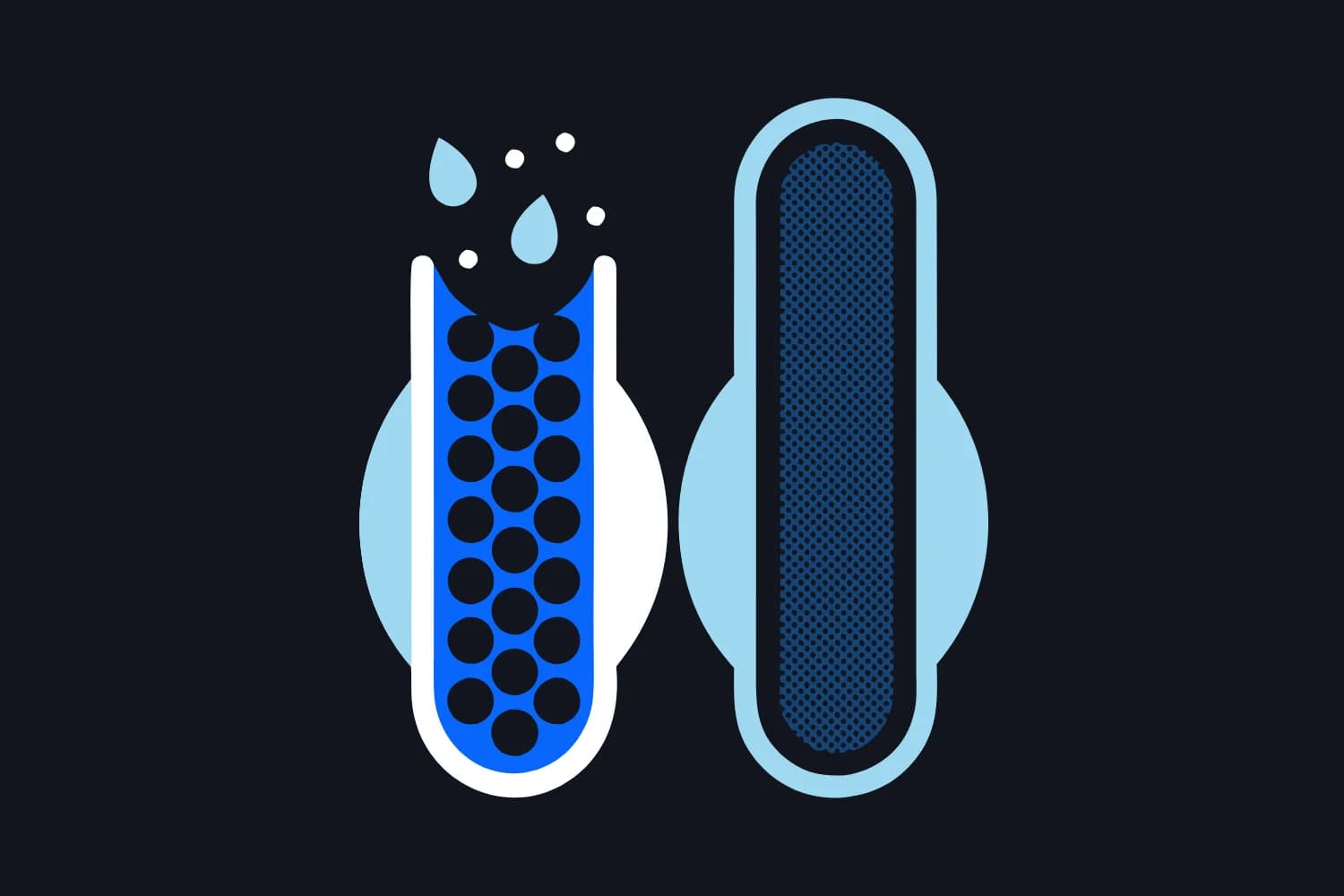
Start with a kitchen sieve
Almost every water filter works like a sieve. Water passes through, and anything too big to fit through the holes gets left behind. What separates one filter technology from another is mostly one thing: the size of those holes.
A basic sediment filter is a coarse sieve that catches sand, rust and grit, the crumbs of the water world. A carbon filter works a little differently, soaking up chlorine and the chemical tastes that make tap water smell like a swimming pool. But when people compare ultrafiltration (UF) and reverse osmosis (RO), they are comparing the two finest sieves in home water treatment.
So the real question is not which technology is stronger. It is where you want the line drawn, and what you are happy to trade to get there.
Ultrafiltration: a sieve with impossibly small holes
The ultrafiltration membranes in SUPERPURE systems carry a nominal rating of 0.2 microns. A micron is a thousandth of a millimetre, far too small for the eye to see. 'Nominal' is the honest word: it means the membrane is built to that fineness, not that every last opening is guaranteed smaller. At that fineness the membrane is designed to strain out bacteria, parasites and microplastics, which are simply too big to squeeze through.
What does pass through? Water, along with the natural minerals dissolved in it. Those minerals are part of what gives water its familiar, pleasant taste, and UF leaves them exactly where they are. The flip side of the same fact: anything genuinely dissolved, like salts, passes through too, so UF does not lower TDS.
The other thing UF does not do is send water down the drain as it works. In everyday use, the water that goes in comes out ready to drink. There is no continuous reject stream the way there is with RO.
This is the technology at the heart of our flagship SUPERPURE 5-Stage Ultra-Filter System. Its 0.2 micron (nominal) membrane is designed to reduce bacteria, parasites and microplastics, while the sediment and carbon stages around it deal with grit, chlorine and VOCs (volatile organic compounds, the chemical residues that affect taste and smell).
Reverse osmosis: the sieve that catches salt
Now imagine a sieve so fine it could catch the salt you stirred into a glass of water — not the grains, the dissolved salt itself. That, in essence, is reverse osmosis (the sieve picture is a simplification: RO actually rejects dissolved substances at the membrane surface). Water is pushed under pressure through a membrane so tight that most dissolved solids are left behind: rejection is high, not absolute, and the exact figure depends on the membrane and your feed water.
That is a remarkable ability, and sometimes exactly what a home needs. But it comes with honest trade-offs. First, all those rejected solids have to go somewhere, so an RO system continuously flushes a portion of water down the drain as it works. Second, the membrane cannot tell the difference between salts you want gone and minerals you would rather keep. It strips out both, which is why many people find RO water tastes a little flat. Third, forcing water through such a tight membrane is slow, which is why most undersink RO systems store their output in a small tank.
None of this makes RO bad. It makes it a specialist tool, brilliant at the one job no other cartridge can do.
So which one is right for your home?
For most homes on municipal water, ultrafiltration is the better fit. The things worth removing from town water (sediment, chlorine, chemical tastes, and the occasional microorganism when supply quality dips) are all things a UF system is built for, with no reject stream in daily use and your water's natural minerals left in. That is why SUPERPURE chose UF for its flagship system.
Reverse osmosis earns its place when the problem is dissolved in the water itself. If your water tastes noticeably salty or brackish, as is common with some borehole supplies, the culprit is usually a high level of total dissolved solids, or TDS: the sum of all the minerals and salts dissolved in your water. A simple TDS test confirms it before you spend anything. No sediment or carbon cartridge can lower TDS. That genuinely is a job for an RO membrane, and in that situation RO is the right call, water waste and all.
And here is where we will be straight with you: although SUPERPURE's own systems are ultrafiltration, we also supply complete RO replacement filter sets, membrane included, for standard undersink RO systems. So if RO is what your water needs, or you already own an RO system you are happy with, we will happily keep it running rather than talk you out of it.
Whichever route you take, the habit that matters most is the same: replace the cartridges on schedule. Sediment and carbon stages are typically changed every 3 to 6 months, and both UF and RO membranes every 12 to 24 months, depending on your water.
Not sure which filter fits your home and your water source?
Try the filter finder